Rhinestone Dye Lots: What They Are, Why They Happen, and How to Create Like a Pro
Share
If you've ever stepped back from a nearly finished rhinestone masterpiece only to realize a section of rhinestones looks slightly off, you've encountered a dye lot change. And here's the important part: it happens regardless of rhinestone quality.
Dye lot variation is an inevitable part of manufacturing. Slight differences in temperature, dye concentration, and raw materials between batches can cause noticeable color or shade shifts — and what looks identical in the bag can appear as a jarring 'line' once applied to a larger piece.
Whether you are embellishing a dance costume, a pair of sneakers, or a gala gown, understanding the science of rhinestone dye lots is the difference between a professional finish and a DIY disaster.
What Exactly is a Dye Lot?
A dye lot is a specific batch of a product that was dyed or manufactured at a point in time. While we like to think of manufacturing as a perfect science, it is actually a delicate chemical dance.
A dye lot represents a single "run" in which the time, temperature, humidity, chemical balance, and base material were identical. Once that batch is finished and the machines are cleaned for the next run, the conditions change—even by a fraction of a percent—which can affect the next batch of the exact same product/color.
Why Do Rhinestone Dye Lots Happen? (The Science of "Slightly Off")
You might wonder: "If the factory uses the same color formula, why isn't the color the same?" In the world of man-made products—from yarn and wallpaper to high-end glass rhinestones—tiny variables create "tonal shifts":
- Chemical Variations: The minerals in the water or the pigment's purity can fluctuate daily.
- Atmospheric Conditions: Changes in the room's humidity or temperature can affect how long a coating takes to dry or "set" on a rhinestone.
- Base Material: Even man-made materials like glass or plastic vary. One batch of glass might be slightly different than the last, which changes how the plating color reflects to your eye.
The "Dreaded Line": How To Stone Like A Pro
The biggest risk with different rhinestone dye lots is the dreaded line—a sharp, visible border where one batch ends and another begins. Here is how to keep your project looking seamless:
1. Check Your Colors Before You Start
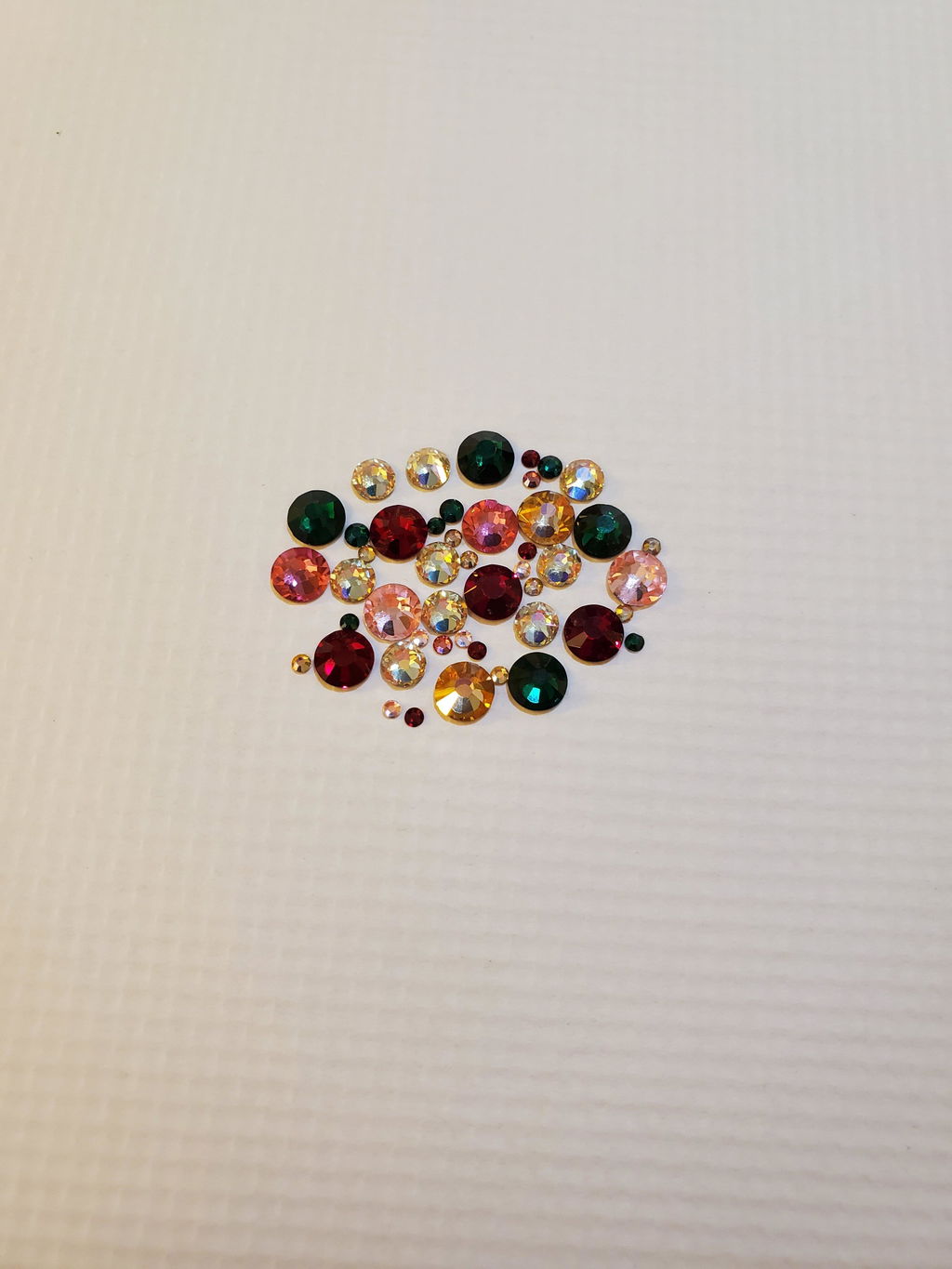
Before placing a single stone, take a moment to do a visual check under consistent lighting. Pour a small sample from each bag or package onto a white surface and compare them side by side. Natural daylight or a daylight-balanced bulb gives you the most accurate read — avoid checking under warm incandescent or fluorescent lighting, which can mask subtle tonal differences. If you spot a variation before you start, you can plan your blending strategy from the beginning rather than discovering the problem mid-project.
2. The Golden Rule: Overbuy
Always calculate how many stones you need and then add 20%. It is far cheaper to have a few hundred extra stones than to realize you're short and find out that the specific lot you started with is sold out. This rule applies to products across all industries, from manufacturing to construction.
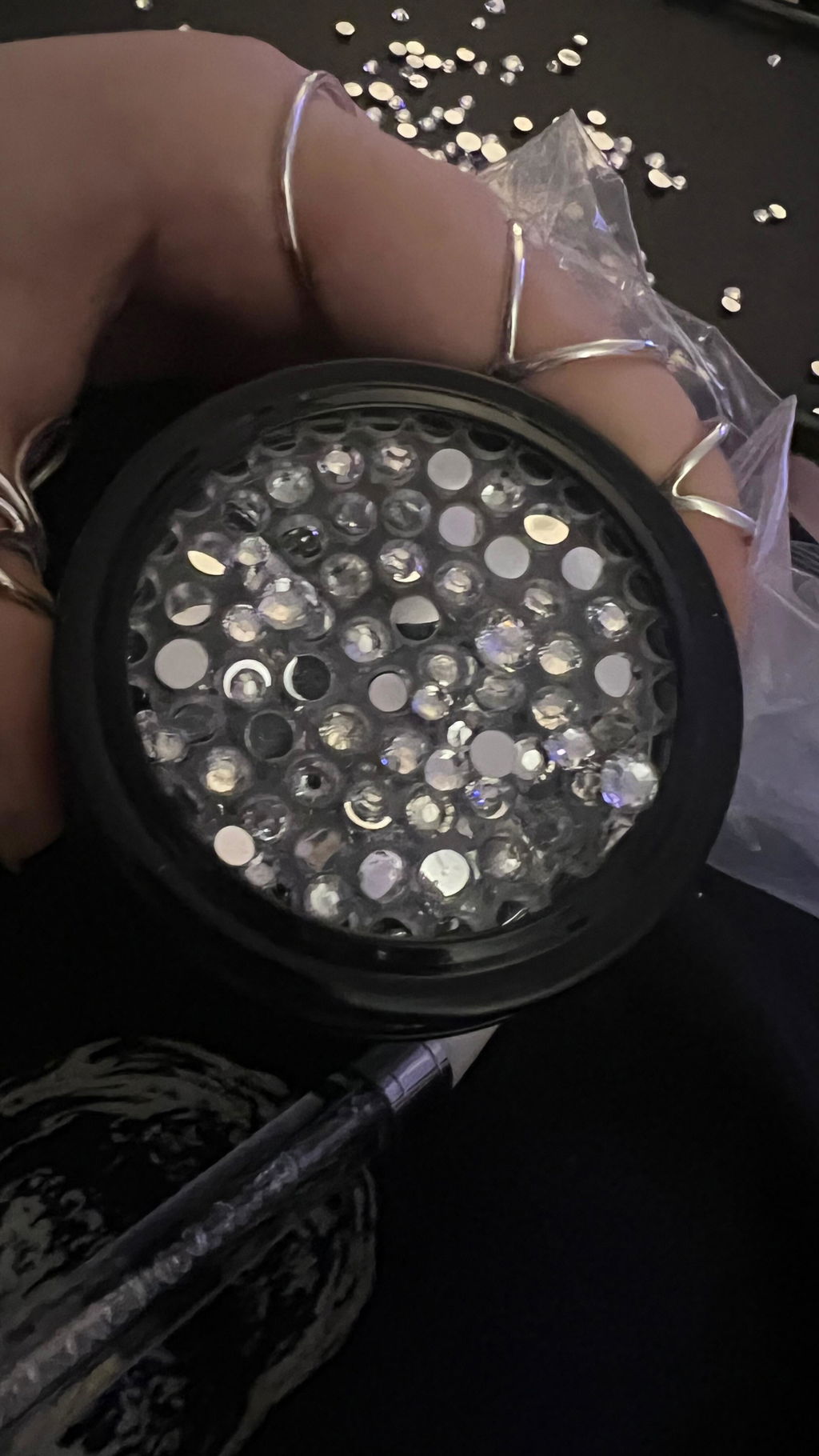
3. The "Shaker" Method (Mix Your Batches)
When using stones from different packages or orders, do not use one bag and then move to the next.
- Open all your packages of the same color.
- Pour them into a single container and "tumble" or stir them together.
- By mixing the lots before you start placing them, any tiny color variations will be scattered randomly across the surface. This creates a rich, multidimensional shimmer rather than a distracting "stripe" of a different shade.
4. Gradient Blending
If you realize mid-project that your new batch is noticeably different, don't just start the new bag at a seam. Instead, create a "transition zone." Use a mix of 75% old/25% new for a few inches, then 50/50, then 25/75. This tricks the eye into seeing a smooth flow rather than a harsh break.
It's Not Just Stones
Rhinestone dye lots are well known in the crafting world, but it's important to remember that dye lot variation affects all man-made products.
- Fabric & Yarn: Always buy from the same dye lot when purchasing fabric or yarn for a single project. Check the lot number printed on the label or skein band before checkout.
- Tiles & Flooring: Check the batch number on the end of every box before purchasing — even boxes on the same store shelf can be different lots.
- Wallpaper: Order all rolls at once and verify lot numbers match. A single roll from a different run can ruin an entire wall.
Plan Ahead, Sparkle Confidently
Dye lots are an inevitable part of manufacturing. They aren't a "defect," but rather a fingerprint of when that specific item was made. By overbuying and pre-mixing your materials, you can ensure that the only thing people notice about your project is the incredible sparkle—not the dye lot change.
Ready to stock up the right way? Browse our full rhinestone collection of Hotfix and Flatback Rhinestones to plan your project with confidence.